
✍️ Authored by the ACSPR Team | AI, Data & Digital Governance
📌 Shaping Africa’s Future with Evidence, Equity, and Innovation for Impact
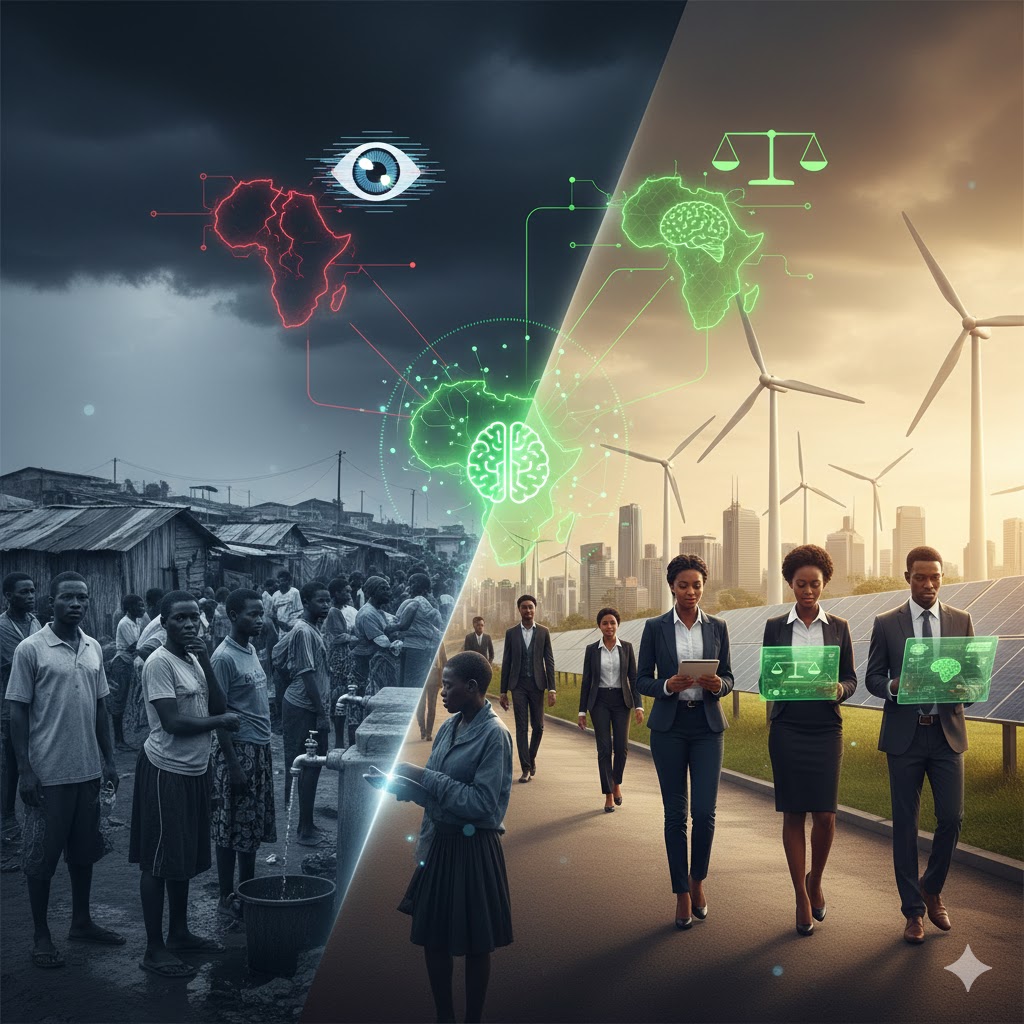
Africa stands at a pivotal moment in its digital evolution. From mobile money to e-government services, digital technologies are reshaping how people work, connect, and access essential services. Yet, without intentional design and ethical safeguards, digital transformation including the rise of Artificial Intelligence (AI) can inadvertently widen existing inequalities rather than reduce them.
📌 Shaping Africa’s Future with Evidence, Equity, and Innovation for Impact
Africa stands at a pivotal moment in its digital evolution. From mobile money to e-government services, digital technologies are reshaping how people work, connect, and access essential services. Yet, without intentional design and ethical safeguards, digital transformation including the rise of Artificial Intelligence (AI) can inadvertently widen existing inequalities rather than reduce them.
This blog explores the promise and challenges of digital transformation in Africa, with a focus on why ethical AI frameworks are essential to ensure that innovations benefit all, especially the most vulnerable.
Digital Transformation: Potential and Paradox
Digital transformation refers to the integration of digital technology across all sectors of society - from commerce and education to governance and health. For Africa, the promise is compelling:
- ● By 2030, Sub-Saharan Africa is expected to generate as many as 230 million digital jobs, driven by expanding digital services and connectivity.
- ● Internet penetration has grown rapidly, with around 40 % of Africans now using mobile broadband, up from just 3.2 % in 2005.
These trends suggest that digital technologies can stimulate economic growth and create access to opportunities previously out of reach.
However, the digital landscape also reveals stark divides:
- ● Despite increased coverage, nearly 700 million Africans remain offline, and many more lack meaningful access due to cost, skills gaps, or infrastructure limitations.
This “usage gap” means that digital transformation alone does not automatically reduce inequality - it can even reinforce it if left unregulated and uncontextualized.
Where AI Fits In: Promise Meets Risk
Artificial Intelligence (AI) represents a powerful frontier within digital transformation. Globally, AI is projected to add US $15.7 trillion to the world economy by 2030, yet only about 10 % of this economic value is expected to reach the Global South including Africa, if current trajectories persist.
This imbalance highlights two critical realities:
- AI has immense economic potential, but without intentional inclusion, benefits could be concentrated in wealthier regions and among elite actors.
- Structural inequalities such as uneven infrastructure, digital skills, and data access threaten Africa’s ability to participate fully in the AI-driven economy.
AI and Inequality: The Risks on the Ground
Digital and AI systems can unintentionally replicate or even deepen inequality in several ways:
1. Infrastructure Divide
AI depends on reliable digital infrastructure from broadband to data centers that is still sparse in many African countries. Africa accounts for less than 1 % of global data centre capacity, even as mobile data usage grows sharply.
2. Skills and Participation Gaps
AI requires advanced technical skills and digital literacy. Countries with limited education and training systems risk leaving behind workers who lack the necessary skills to benefit from AI-enabled opportunities.
3. Data Inequality
AI systems are only as good as the data they use. Without inclusive, representative, and ethical data governance, AI models may reflect biases, marginalize minority voices, and fail to address local needs.
Why Ethical AI Matters
Ethical AI refers to the design, development, and deployment of AI systems that are fair, transparent, accountable, and aligned with human rights and social well-being.
For Africa, ethical AI is not a luxury - it is essential.
1. Ensuring Fairness and Representation
AI systems trained on non-inclusive datasets risk reinforcing stereotypes and excluding underrepresented populations. Ethical AI frameworks promote data practices that reflect Africa’s linguistic, cultural, and demographic diversity.
2. Protecting Rights and Privacy
AI technologies can generate powerful insights, but they also raise concerns around data privacy, surveillance, and consent. Ethical standards help safeguard citizens’ rights as digital tools become more embedded in public life.
3. Guiding Policy and Accountability
Africa is actively developing digital governance frameworks that incorporate ethical AI principles. Initiatives like the African Union’s AI and digital strategy emphasize responsible AI, data protection, and regulatory frameworks to ensure technology serves equitable development.
Bridging Inequality Through Inclusive Digital Strategies
Digital transformation will only reduce inequality if it is inclusive by design. That means:
1. Investing in Infrastructure
Expanding broadband networks, affordable data access, and local data centers lays the foundation for broad participation in digital economies.
2. Prioritizing Skills Development
Countries must integrate digital literacy and AI competencies into education systems, with targeted programs for youth, women, and marginalized communities.
3. Establishing Ethical AI Policies
National and regional policies should mandate fairness, accountability, and transparency in AI systems ensuring that technologies respect human rights and serve public well-being.
4. Encouraging Local Innovation
Supporting homegrown tech ventures and data ecosystems ensures African perspectives shape AI solutions that respond to local needs.
A Ugandan Perspective: Digital Gaps and Opportunities
In Uganda like many African countries digital transformation is advancing, but challenges remain:
- ● A significant portion of the population still lacks meaningful internet access, and digital skills remain unevenly distributed.
- ● The potential exists to leverage AI for agriculture, health, and public services, but ethical governance, infrastructure, and inclusive education will determine who benefits and who doesn’t.
Addressing these gaps can help ensure that Uganda and Africa harnesses digital innovation to reduce inequality and expand opportunity.
Conclusion: Digital Promise with Ethical Purpose
Digital transformation including AI holds enormous potential to reduce inequality, expand access to services, and empower citizens across Africa. But these benefits are not automatic. Without ethical safeguards, inclusive policies, and targeted investments in infrastructure and skills, digital technologies may deep-root existing divides.
Africa must own its digital destiny, cultivating ethical AI ecosystems that reflect local values, protect rights, and ensure that the benefits of innovation are shared equitably.
Evidence-based policy, regional cooperation, and inclusive digital strategies will determine whether AI becomes a tool for reducing inequality or a force that deepens it.
Call to Action
Development partners, governments, civil society, and private sector stakeholders must come together to:
✔ Expand digital infrastructure and affordable connectivity
✔ Invest in digital literacy and AI skills training
✔ Develop ethical AI policies and data governance frameworks
✔ Support local innovation and inclusive digital ecosystems
✔ Invest in digital literacy and AI skills training
✔ Develop ethical AI policies and data governance frameworks
✔ Support local innovation and inclusive digital ecosystems
By doing so, digital transformation can become a pathway toward equity, opportunity, and shared prosperity across Africa.