Authored by ACSPR Team | Population and Demographic Research
Shaping Africa’s Future with Evidence, Equity, and Innovation for Impact
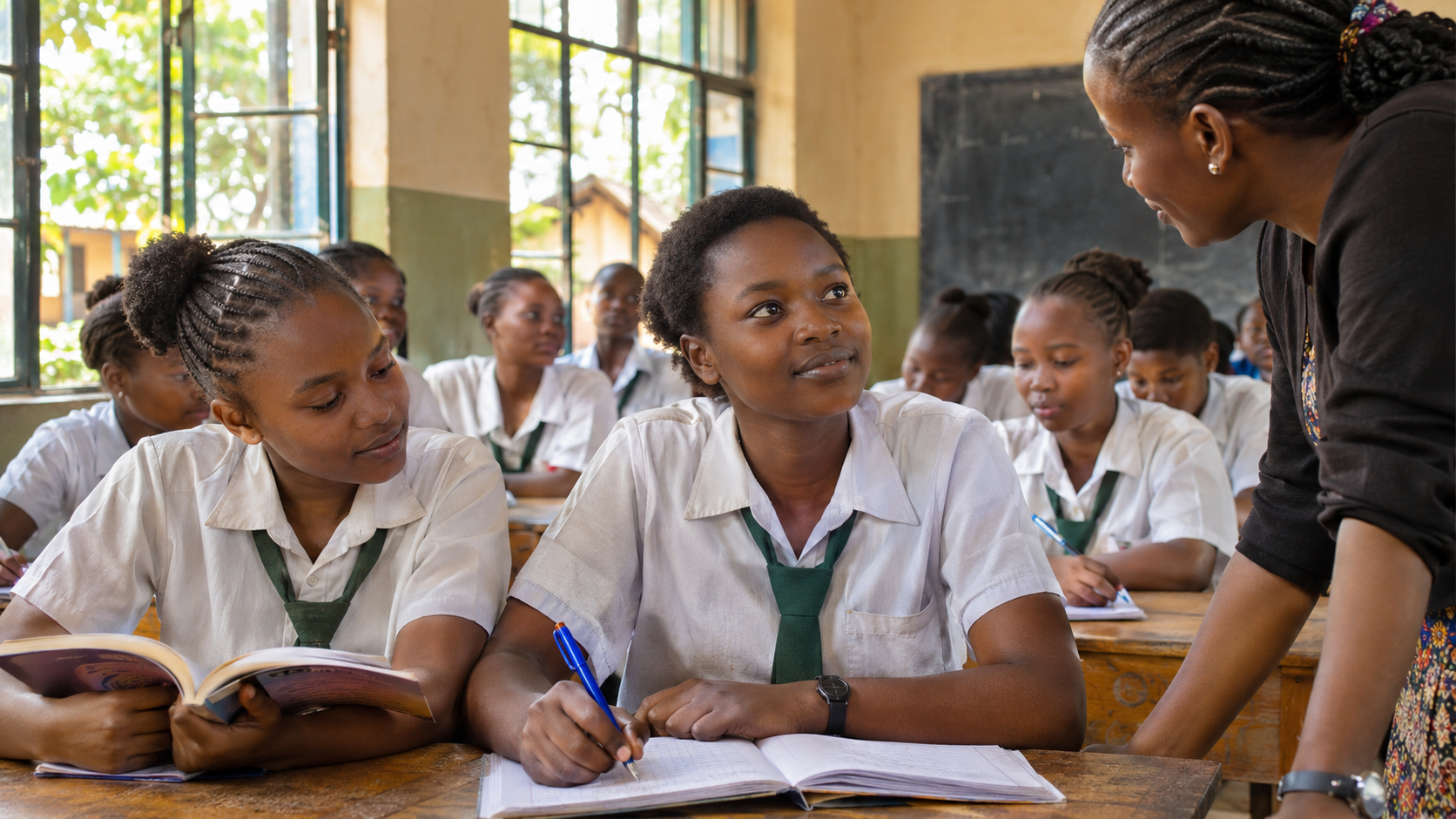
Every girl deserves the opportunity to learn, discover her abilities, pursue her ambitions and determine the future she wants for herself. Yet, for millions of girls across Africa, these opportunities are interrupted by child marriage, forced unions, teenage pregnancy and other harmful practices that deny them the chance to complete their education.
For many girls, leaving school is not simply a matter of personal choice. It may follow pressure from parents or relatives to marry, household poverty, insecurity, sexual violence, displacement or social expectations that place marriage and motherhood above education. In some communities, girls are married off while still children often without their full and free consent.
The consequences extend far beyond the classroom. Forced and early marriages expose girls to sexual and gender-based violence, early pregnancy, health complications, economic dependence and limited opportunities for personal development. They also reinforce gender inequality and prevent communities from benefiting fully from the potential and contributions of educated women.
As Africa continues to pursue inclusive development and gender equality, the message must be clear: girls belong in school, not in forced marriages. Protecting their right to education requires families, communities, governments and development partners to address the conditions that push girls out of school and into early or forced unions.
Understanding Forced Marriage and Child Marriage
Forced marriage occurs when one or both individuals enter a marriage without giving their full and free consent. It can involve threats, pressure, coercion, manipulation or decisions made by family members and other individuals without the person's agreement.
Child marriage refers to a formal or informal union involving at least one person below the age of 18. Although the two concepts are not identical, they are closely connected because children may not have the freedom, maturity or power to make independent decisions about marriage. Child marriage can therefore constitute forced marriage, particularly where a child is pressured or unable to give meaningful consent.
Across Africa, these practices are sustained by several interconnected factors, including poverty, gender inequality, harmful cultural and social norms, conflict, insecurity, displacement and limited access to education.
In some communities, families view marriage as a way of reducing household financial responsibilities, securing economic benefits through bride wealth or dowry, strengthening family relationships or protecting girls from perceived social risks. However, such practices often disregard girls’ rights, aspirations and long-term well-being.
Ending forced and child marriage therefore requires more than discouraging early unions. It requires addressing the social and economic conditions that make girls vulnerable while strengthening their opportunities to remain in school.
Girls Are Losing Their Education to Forced and Early Marriages
Education is one of the most important pathways through which girls can develop their potential, become economically independent and participate meaningfully in society. However, forced and child marriages continue to undermine this opportunity across the continent.
According to the 2020 article by the Global Partnership for Education and Girls Not Brides, girls with no education are three times more likely to marry before the age of 18 than girls with secondary or tertiary education. The article also identified several African countries with high child marriage prevalence, including Niger (76%), the Central African Republic (68%), Chad (67%), South Sudan (52%) and Mali (52%).
The relationship between education and child marriage works in both directions. Girls who are excluded from education are more vulnerable to early marriage, while girls who marry early are more likely to leave school before completing their education. Once married, responsibilities related to household work, pregnancy and childcare, alongside restrictions imposed by spouses or families, can make returning to school extremely difficult.
The challenge is particularly serious in conflict-affected communities. The same 2020 article reported that girls living in conflict situations in Africa were 2.5 times more likely to be out of school, increasing their vulnerability to abuse, exploitation, gender-based violence and child marriage.
These realities demonstrate that school dropout is not simply an education challenge. It is also a child protection, gender equality and broader development concern.
The Human Cost: Girls' Experiences Across Africa
Behind the statistics are girls whose childhoods, education and aspirations are interrupted by circumstances beyond their control.
In South Sudan, the Strategic Initiative for Women in the Horn of Africa (SIHA Network) reported in 2022 that more than ten girls were forced into marriage each week, while more than half of girls were married before reaching 18. Poverty, food insecurity, displacement, patriarchal power structures and bride wealth were identified as contributing factors.
Girls forced into marriage face serious risks, including domestic violence, sexual assault, marital rape, early pregnancy and complications during childbirth. They may also be withdrawn from school and denied opportunities to make decisions about their own lives. In some cases, girls who resist forced marriages face punishment or arrest, further exposing them to violence and discrimination.
In the Central African Republic, a UNICEF report published on 13 October 2025 documented the work of women community leaders in Bria who are challenging early and forced marriages and encouraging families to keep adolescent girls in school. Rakia Anour, a local women leader, uses community gatherings to advocate against marrying off girls at 13 or 14, emphasizing that their place is in school.
The report also highlighted the experiences of women leaders Iwa Sashita and Davila Yashika, who identified early pregnancy, sometimes resulting from sexual violence, as a major reason girls leave school. Their experiences demonstrate that preventing forced marriage and school dropout must go hand in hand with addressing sexual violence, strengthening child protection and ensuring accountability for perpetrators.
These examples remind us that girls need more than access to classrooms. They need safe homes, supportive families, protective communities and institutions that defend their rights.
Forced Marriage Is More Than a Violation of Girls’ Rights
The consequences of forced and child marriage extend beyond the immediate experiences of the girls affected. They influence health outcomes, household welfare, economic productivity and the development prospects of entire communities and countries.
Education and economic empowerment
When girls leave school prematurely, they lose opportunities to acquire knowledge, professional skills and qualifications needed to access better employment. Early marriage can increase their economic dependence on spouses and limit their ability to participate in the formal labor market.
The Global Partnership for Education and Girls Not Brides reported in 2020 that each additional year of schooling for girls increases their earnings by at least 10 per cent. It also highlighted that each additional year of secondary education reduces the likelihood of marrying before 18 by five percentage or more.
Keeping girls in school is therefore an investment in their economic independence and the long-term prosperity of their families and countries.
Health and well-being
Early and forced marriages expose girls to sexual and reproductive health risks, including early pregnancies, childbirth complications and increased vulnerability to sexually transmitted infections. Girls who marry young may also experience physical, psychological and sexual violence from their partners.
Early childbearing can further affect the health and development of children born to adolescent mothers, increasing the risks of poor nutrition, stunting and child mortality.
Gender equality and social development
Forced marriage reinforces unequal power relations by limiting girls’ ability to make decisions about education, relationships, reproduction and their future. It also perpetuates cycles of poverty and inequality when girls are denied opportunities that could improve their circumstances and those of future generations.
The United Nations Sustainable Development Goals recognize the importance of addressing these challenges. Goal 4 calls for inclusive and equitable quality education for all, while Goal 5 specifically calls for the elimination of harmful practices, including child, early and forced marriage.
Protecting girls from forced marriage is therefore essential to achieving both gender equality and sustainable development.
Education as a Powerful Pathway to Ending Forced Marriage
Providing girls with access to safe, quality and inclusive education is among the most effective strategies for preventing child marriage and reducing their vulnerability to forced unions.
However, enrolling girls in school is not enough. Education systems must also create conditions that allow girls to remain in school, complete their studies and access opportunities even when they experience difficult circumstances.
The World Bank’s 2017 Uganda Economic Update, Accelerating Uganda's Development: Ending Child Marriage, Educating Girls, demonstrated the close relationship between child marriage, early childbearing and girls' educational attainment. Its analysis estimated that child marriage reduced the likelihood of completing secondary education by 12 to 23 percent depending on the age at marriage.
The report further highlighted that keeping girls in secondary school substantially reduces the likelihood of early marriage and childbearing. This reinforces the importance of investing in education as both a protective intervention and a development priority.
To make education a meaningful pathway towards ending forced marriage, the following actions are essential:
Keep girls in school and support those who have dropped out. Governments and education stakeholders should strengthen access to affordable, safe and inclusive schools. Girls who leave school because of marriage, pregnancy, displacement or financial challenges should have opportunities to return through appropriate re-entry policies and flexible learning programmes.
Address poverty and household economic pressures. Financial difficulties can encourage families to marry off their daughters in the belief that marriage will reduce household responsibilities or provide economic benefits. Scholarships, school feeding programmes, social protection and livelihood initiatives can help families keep girls in school.
Strengthen life skills and reproductive health education. Adolescent girls need age-appropriate information about their rights, health, relationships and available support services. Life skills education can strengthen their confidence, decision-making abilities and capacity to seek help when facing coercion or abuse.
Engage parents and community leaders. Traditional, cultural and religious leaders have an important role in challenging harmful norms and promoting the value of girls’ education. The experience of women leaders in Bria, Central African Republic, demonstrates how trusted community voices can encourage families to prioritize schooling over early marriage.
Strengthen protection against sexual and gender-based violence. Schools and communities must provide safe reporting and referral mechanisms for girls experiencing abuse, exploitation or forced marriage. Perpetrators should be held accountable and survivors should receive appropriate medical, psychosocial, legal and protection support.
Promote inclusive education for vulnerable girls. Girls affected by disability, poverty, displacement, conflict and other forms of exclusion may face heightened risks of child marriage. Education systems must identify and address their specific barriers through targeted support and accessible learning environments.
Governments and Communities Must Turn Commitments into Action
- Ending forced marriage requires more than awareness campaigns. It requires effective laws, adequate resources, coordinated institutions and accountability at national and community levels.
- The African Union launched its Campaign to End Child Marriage in May 2014 to strengthen political commitment and accelerate efforts to eliminate the practice. Its approach recognizes that child marriage is a complex challenge that requires collaboration across education, health, nutrition, gender, justice and child protection sectors.
- The campaign has also emphasized the importance of moving from awareness to implementation, including enforcing existing laws and strengthening coordination among governments, civil society organizations, young people, traditional and religious leaders and development partners.
- International and regional commitments also provide important frameworks for protecting girls. These include the Convention on the Rights of the Child, the Convention on the Elimination of All Forms of Discrimination Against Women (CEDAW) and the Protocol to the African Charter on Human and Peoples’ Rights on the Rights of Women in Africa, commonly known as the Maputo Protocol.
- These frameworks affirm the importance of protecting children and women from harmful practices, ensuring access to education and safeguarding the right to free and full consent to marriage.
- However, commitments must be translated into practical action. Governments must strengthen enforcement, ensure that girls can access justice, resource child protection systems and support education programmes that reach those most at risk.
Evidence, Research and Accountability Must Guide Interventions
Ending forced marriage and school dropout also requires reliable evidence to understand where the challenges are most severe, who is most affected and which interventions are producing results.
Population research, demographic analysis and monitoring and evaluation can help governments and development partners understand patterns of child marriage, school attendance, teenage pregnancy, gender-based violence and educational attainment.
Disaggregated data can identify inequalities across geographical areas, age groups, disability status and household circumstances. Such evidence is essential for designing interventions that respond to the realities of vulnerable girls rather than relying on general assumptions.
Research should also examine why girls leave school, the barriers faced by married and pregnant adolescents who wish to return to education, and the effectiveness of community-led initiatives in changing harmful social norms.
At ACSPR, population and demographic research is central to understanding the factors that shape people’s well-being and development opportunities. Generating reliable evidence on girls’ education, gender inequality, child protection and population outcomes can support better policies and programmes that protect girls and promote equitable development.
What This Means
For governments: Strengthen and enforce laws against child and forced marriage, invest in quality education, improve child protection systems and ensure that adequate resources are allocated to programmes addressing gender inequality and school dropout.
For parents and caregivers: Prioritize girls’ education, listen to their aspirations and protect them from pressure to enter early or forced marriages. Families should recognize education as an investment in their daughters’ future.
For schools and teachers: Create safe and inclusive learning environments, identify learners at risk of dropping out and establish appropriate referral mechanisms for girls experiencing abuse, coercion, pregnancy or forced marriage.
For traditional and religious leaders: Challenge harmful social norms, discourage forced and child marriages and use their influence to promote girls’ education and the protection of their rights.
For civil society and development partners: Support girls at risk of exclusion, strengthen community awareness, provide educational and economic support and advocate for effective implementation of laws and policies.
For researchers and development practitioners: Generate reliable evidence on the drivers and consequences of forced marriage and school dropout. Strengthen monitoring and evaluation to assess programme effectiveness and inform practical interventions.
For communities: Reject practices that deny girls their rights, report cases of abuse and forced marriage through appropriate channels and create supportive environments where every girl can learn and thrive.
Key Takeaways
- Forced and child marriages undermine girls’ rights, education, health, safety and opportunities for personal development.
- Girls with no education are significantly more vulnerable to child marriage than those who attain secondary or higher education.
- Early and forced marriages contribute to school dropout, teenage pregnancy, economic dependence and gender inequality.
- Poverty, conflict, displacement and harmful social norms are important factors that increase girls’ vulnerability.
- Keeping girls in school, supporting those who have dropped out and providing inclusive learning opportunities are essential interventions.
- Families, governments, schools, community leaders, civil society and development partners all have responsibilities in preventing forced marriage.
- Research, reliable data, monitoring and accountability are necessary for designing effective interventions and tracking progress.
The Way Forward
Every girl deserves a childhood free from coercion, violence and harmful practices. She deserves the opportunity to attend school, complete her education, develop her abilities and make informed decisions about her future.
Ending forced marriage is not the responsibility of governments alone. It requires families that value girls’ education, communities that challenge harmful norms, schools that protect learners and institutions that ensure perpetrators are held accountable.
As Africa continues working towards the 2030 Sustainable Development Goals, girls’ education must remain a priority. Investments in safe schools, economic empowerment, child protection and community engagement can help break the cycle of forced marriage, school dropout and intergenerational poverty.
We must move beyond treating early and forced marriage as an unavoidable cultural or household practice. We must recognize it as a violation of girls’ rights that requires collective action, sustained commitment and evidence-informed solutions.
Girls belong in school, where they can learn, grow, lead and shape their future. They do not belong in forced marriages.
Protect girls. Keep them in school. End forced marriages.
References
https://theconversation.com/girls-should-be-in-school-not-forced-into-marriage-by-powerful-men-61876