✍️ Authored by the ACSPR Team | Population & Demographic Research
📌 Shaping Africa’s Future with Evidence, Equity, and Innovation for Impact
At many donor roundtables, Africa is still discussed almost entirely through one lens: the youth bulge. But by 2050, Africa is projected to have about 215 million people aged 60+ almost the size of Nigeria’s current population.
📌 Shaping Africa’s Future with Evidence, Equity, and Innovation for Impact
At many donor roundtables, Africa is still discussed almost entirely through one lens: the youth bulge. But by 2050, Africa is projected to have about 215 million people aged 60+ almost the size of Nigeria’s current population.
This shift is accelerating, yet policy and funding responses are lagging behind the speed of change. Donors who focus only on youth risk missing a structural transformation that will reshape health systems, social protection, and public finances and will be far more expensive to address later.
Scale and Nature of the Demographic Shift
Africa remains demographically young, but ageing is rising quickly in absolute numbers. Current projections indicate that the share of Africa’s population aged 60+ will increase to 8.7% by 2050, while the number of older people will climb from 78.0 million (2022) to 215.1 million (2050) the fastest growth rate of any world region.
This acceleration is driven by improving survival and gradual fertility decline meaning ageing will expand at the same time many systems are still oriented toward maternal and child health and communicable diseases, with limited readiness for long-term care and chronic conditions.
Where Ageing Hits Hardest
Domain What this looks like in practice
Poverty & social protection Limited pension coverage and weak safety nets create a widening protection gap for older adults
Health & care systems Rising NCDs, disability, and chronic care needs but limited geriatric capacity and long-term care models
Erosion of family care Traditional support systems strained by urbanization, migration, economic stress, and health shocks
Policy neglect Limited age-targeted services, weak institutional leadership, and few trained professionals
Poverty & social protection Limited pension coverage and weak safety nets create a widening protection gap for older adults
Health & care systems Rising NCDs, disability, and chronic care needs but limited geriatric capacity and long-term care models
Erosion of family care Traditional support systems strained by urbanization, migration, economic stress, and health shocks
Policy neglect Limited age-targeted services, weak institutional leadership, and few trained professionals
The Erosion of Family Care: The Hidden Crisis
This is one of the most underappreciated dynamics. Urbanization, migration, HIV/AIDS impacts, and economic pressures have fractured traditional support systems, leaving many older adults both raising grandchildren and facing their own ageing with minimal support. When the “middle generation” is absent or overstretched, older people can become the last safety net while also needing care themselves.
A Human Face Behind the Numbers (Illustrative vignette)
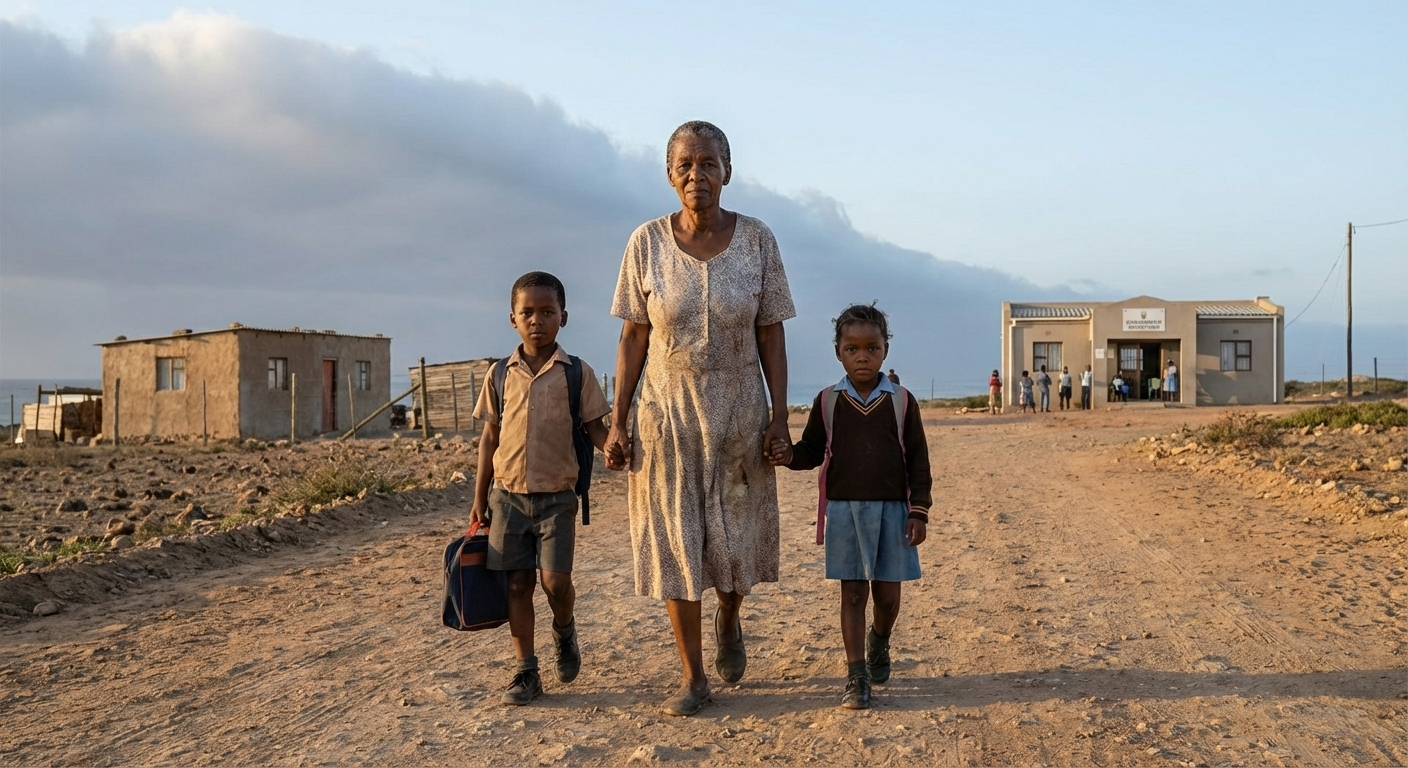
Grace, 72, wakes before sunrise to prepare her grandchildren for school. She manages household chores with aching joints and then walks a long distance to collect a social support payment only to find it delayed again. The question isn’t whether services exist. It’s whether older people can access reliable income support, respectful care, and dignity when family buffers are thinning.
Why This Matters for Donors
- Delayed action multiplies future costs
Ignoring ageing now raises future fiscal and humanitarian burdens especially in health, income security, and long-term care as older cohorts expand. Early investment is cheaper than crisis response. - Older adults are development assets
Older people contribute to household welfare, childcare, and community stability. Treating ageing only as dependency misses a major source of resilience and social capital. - The demographic dividend must be life-course, not youth-only
Investing in youth is essential but inclusive development also requires age-friendly systems: social protection, chronic-care readiness, and protection from age-based exclusion.
Strategic Directions for Donor Engagement
Donors can act now through practical, fundable entry points:
● Age-inclusive social protection: Expand coverage and test scalable pension/safety-net models that protect older-age poverty and vulnerability.
● Health-system readiness for ageing: Strengthen primary care for chronic conditions and build geriatric and long-term care capacity, including community-based care.
● Support family caregiving: Fund caregiver support, respite models, and community care approaches that reduce household strain.
● Invest in data and ageing research: Improve measurement (surveys, administrative data) and policy evidence so ageing becomes governable not invisible.
Africa’s demographic story is no longer only about youth. Ageing is rising fast under fragile welfare and health systems and persistent policy neglect. Donors who integrate ageing into health, demographic, and social protection portfolios now can prevent large-scale old-age poverty and care crises while honouring older adults not as a burden to manage, but as contributors to the very resilience donors claim to seek.
Note: This blog synthesizes evidence from peer-reviewed studies and major policy reports on population ageing, social protection, health transitions, and the demographic dividend in Africa including work by Bloom, Kuhn & Prettner; Cardona et al.; Cleland & Machiyama; Doro et al.; Gouttefarde et al.; Niyonsaba; Quak; Sabates-Wheeler et al.; Schatz & Seeley; the United Nations; Woldegiorgis; and Adamek et al.