Authored by ACSPR Team | Population and Demographic Research
Shaping Africa’s Future with Evidence, Equity, and Innovation for Impact
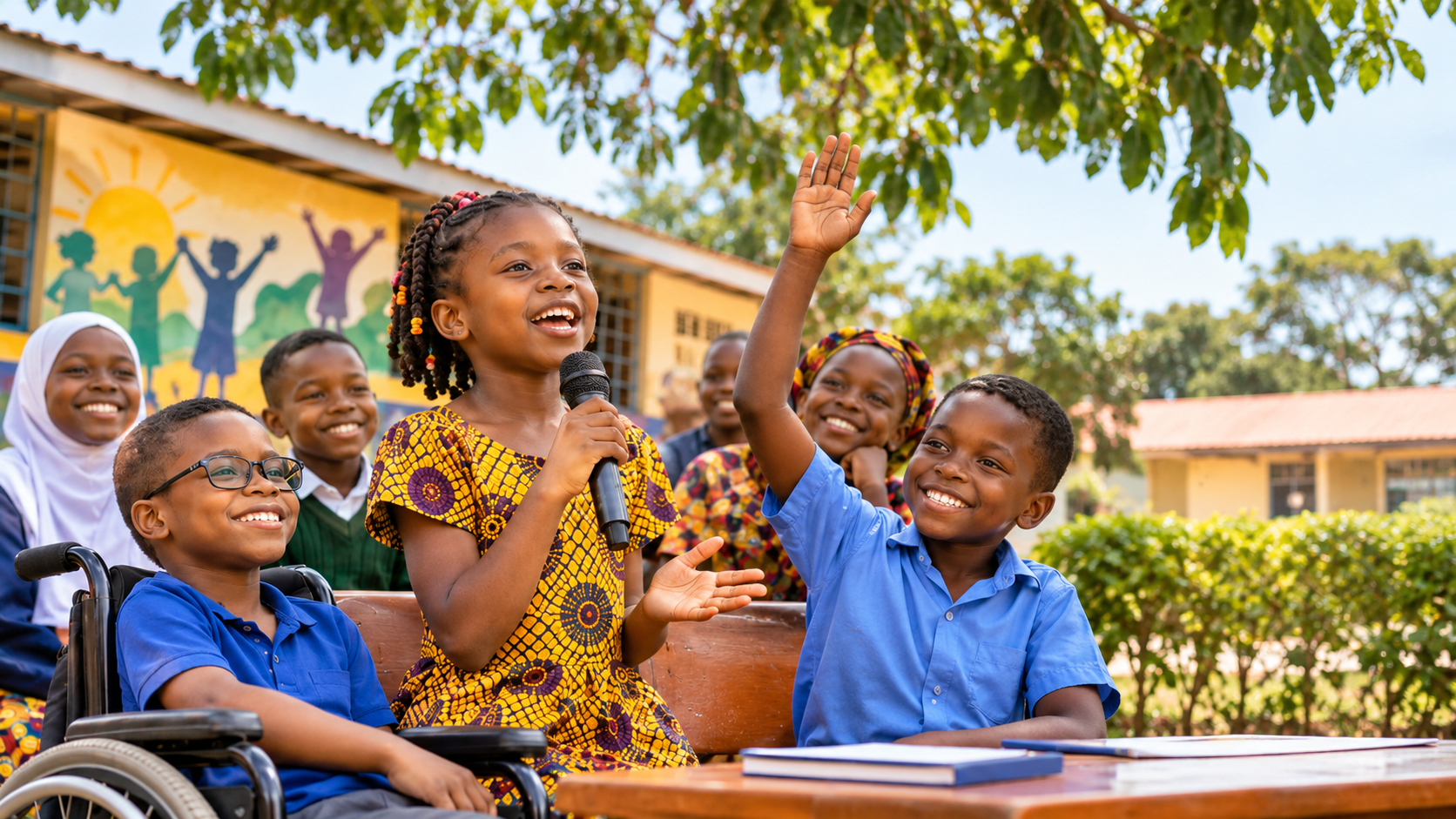
Children are not simply the leaders of tomorrow. They are members of our communities today, with rights, opinions, dreams, and experiences that deserve to be recognized and respected.
Every child deserves to grow up in a safe and supportive environment, access quality education and healthcare, enjoy opportunities to play and develop, and have their voices heard in decisions that affect their lives. Yet, for many children, these basic expectations remain difficult to achieve.
Some children struggle to access education. Others experience violence, neglect, exploitation, discrimination, or inadequate healthcare. Many grow up in environments where their opinions are rarely considered, even when decisions made by adults directly affect their present lives and future opportunities.
As the world marks World Children’s Day on 20 November 2026, under the theme “My Day, My Rights, My Future,” the message is clear: children must be listened to, their rights must be protected, and their ideas must be taken seriously.
The question is no longer simply whether children have rights. The real question is whether families, communities, institutions and governments are doing enough to make those rights a reality.
The Convention on the Rights of the Child: A Commitment to Every Child
The adoption of the United Nations Convention on the Rights of the Child on 20 November 1989 was a major milestone in recognizing children as individuals with distinct human rights. The Convention entered into force on 2 September 1990 and provides a comprehensive framework for protecting and promoting the rights of every child.
Under the Convention, a child is generally defined as every human being below the age of 18, unless the applicable law recognizes adulthood earlier.
The Convention recognizes that children are entitled to the same fundamental human dignity as adults while requiring special protection and care because of their age and stage of development. It places obligations on governments to respect, protect and fulfil children’s rights through appropriate laws, policies, institutions and resources.
Importantly, the Convention shifts the way society should view children. They are not merely dependants who need adults to make every decision for them. They are rights-holders whose experiences, views and interests must be considered.
Children’s Rights Are Not Privileges
Children’s Rights Are Not Privileges
A child’s access to education, healthcare, protection, identity and participation should never depend on their family’s financial circumstances, gender, disability, location or social background.
The Convention covers a broad range of rights that are interconnected and equally important.
These include:
- The right to survival and development: Every child has an inherent right to life and should have the opportunity to survive, grow and develop.
- The right to education: Every child should have access to education that develops their abilities, talents and potential.
- The right to health: Children should access healthcare and services that support their health and well-being.
- The right to protection: Children must be protected from violence, abuse, neglect, exploitation and other forms of harm.
- The right to identity: Every child has the right to a name, nationality and preservation of their identity.
- The right to family care: Children should receive appropriate care and guidance, with their best interests as a primary consideration.
- The right to rest, play and recreation: Play, leisure, and participation in cultural and artistic activities are essential parts of childhood.
- The right to express views: Children should be able to express their opinions freely on matters affecting them, with those views given due consideration according to their age and maturity.
- The right to information and privacy: Children should have access to appropriate information and protection from unlawful interference with their privacy.
These rights are not separate benefits that can be selectively provided. They work together to create the conditions children need to live with dignity and reach their full potential.
The Four Principles That Should Guide Every Decision About Children
The Convention is guided by four fundamental principles that should shape how governments, institutions, families and communities approach matters concerning children.
Non-discrimination
Every child is entitled to their rights without discrimination regardless of sex, language, religion, disability, family background, social origin or economic circumstances. A child’s opportunities should not be determined by the circumstances into which they are born.
The best interests of the child
In all actions and decisions concerning children, their best interests must be a primary consideration. Whether decisions involve education, healthcare, family care, protection or public policy, the potential impact on children must be carefully considered.
The right to life, survival and development
The right to life, survival and development
Children should not only be protected from threats to their lives but also supported to develop physically, mentally, socially, emotionally and intellectually. This requires access to essential services, care, nutrition, education and opportunities to grow.
Respect for the views of the child
Children have the right to express their opinions freely in matters affecting them. Their views should be given appropriate consideration according to their age and maturity. Listening to children is therefore not simply an act of kindness, it is a fundamental principle of their rights.
Together, these principles remind us that protecting children requires more than providing basic necessities. It requires creating environments where they are respected, included, protected and supported to participate in decisions about their lives.
The Gap Between Children’s Rights and Everyday Reality
Having an international convention is an important achievement, but the existence of rights in a legal document does not automatically mean that every child enjoys them.
Across different communities, children continue to experience challenges that limit their ability to exercise their rights.
For a child who cannot attend school because of financial difficulties, the right to education remains unrealized. For a child exposed to violence at home or school, the right to protection is not being upheld. For a child whose opinions are dismissed because they are considered too young to understand, the right to participation is being overlooked.
For children living with disabilities, those in difficult family circumstances, children affected by emergencies, and those experiencing poverty, the barriers may be even greater.
These realities demonstrate that children's rights must be reflected in everyday experiences. It is not enough for a child to be enrolled in school if the learning environment is unsafe or inaccessible. It is not enough to provide healthcare if services are unaffordable or unavailable. It is not enough to speak about participation if children are never given meaningful opportunities to contribute.
The real measure of progress is whether children experience these rights in their homes, schools, communities, and institutions.
Listening to Children Is More Than Giving Them a Voice
The 2026 World Children's Day theme, “My Day, My Rights, My Future,” places particular emphasis on listening to children, learning from their experiences, and ensuring their voices are heard.
This is an important reminder because children often understand their everyday challenges in ways that adults and institutions may overlook.
A child may identify why they feel unsafe on the way to school, why they struggle to participate in classroom activities, what makes their community a better place to live or what support they need to pursue their dreams.
These perspectives can provide valuable insights for families, schools, communities, policymakers and development practitioners.
Listening also has important benefits for children's development. According to UNICEF's World Children's Day 2026 parents’ toolkit, listening to children helps build confidence and self-esteem, encourages critical thinking and problem-solving, nurtures creativity and strengthens relationships between children and their caregivers.
However, listening should not end with allowing children to speak. Adults must also reflect on what children communicate and take appropriate action to support their ideas and concerns.
A child’s voice matters most when it can influence decisions and contribute to meaningful change.
The Family Is Where Respect for Children’s Rights Begins
Parents and caregivers play a central role in making children’s rights a reality. The family is often the first environment in which children learn about respect, responsibility, safety, communication and participation.
Creating a supportive family environment means allowing children to express themselves without fear, listening to their concerns, guiding them according to their evolving abilities, and protecting them from violence and neglect.
It also means recognizing that children have individual interests, talents, ambitions and perspectives that may differ from those of adults.
Parents do not need to have all the answers. Sometimes, what a child needs most is an adult who is willing to listen, ask questions and take their concerns seriously.
The UNICEF toolkit encourages families to make conversations about children’s daily lives and rights part of everyday interactions. Parents can ask children questions such as:
- What do you enjoy most about your day?
- What would you like to change about your school or community?
- What kind of future do you want?
- If the whole world could listen to you, what would you want to say about children's rights?
These conversations can help children feel valued while enabling adults to better understand their experiences and aspirations.
Schools and Communities Must Become Safe Spaces for Every Child
Schools and communities are important environments for children's learning, development, protection and social interaction.
Schools should provide inclusive and supportive learning environments where children can access quality education, participate in classroom activities, express their views and develop their abilities without fear of violence, discrimination or humiliation.
Teachers and school administrators also have a responsibility to recognize signs of abuse, neglect, exclusion and other challenges affecting learners and to respond through appropriate safeguarding and referral mechanisms.
Communities must similarly take responsibility for protecting children. Harmful practices, child exploitation, discrimination and violence should not be normalized or ignored. Community leaders, religious institutions, local authorities and civil society organizations all have a role in promoting child protection and ensuring that vulnerable children receive appropriate support.
A community that values children is one that creates safe spaces for them to learn, play, participate and grow.
Governments Must Turn Commitments into Action
The Convention places primary responsibility on governments to take appropriate legislative, administrative and other measures to implement children’s rights.
This means that commitments to children must be reflected in national laws, policies, budgets, programmes and service delivery systems.
Governments must strengthen access to quality education, healthcare, nutrition, social protection, birth registration and child protection services. They must also ensure that institutions responsible for children operate in safe environments and meet appropriate standards.
Equally important is accountability. Governments that are party to the Convention are required to report on measures taken to implement children's rights and the progress made in ensuring that children enjoy those rights. This reporting process provides an important mechanism for reviewing commitments, identifying implementation challenges and strengthening action.
But government responsibility does not mean that other actors are exempt. Protecting children’s rights requires coordinated action across families, schools, communities, civil society, development partners, and the private sector.
Evidence and Children’s Participation Must Shape Policy and Programming
Children’s rights are not only a legal and social concern. They are also an important development and population issue.
Children make up a significant part of society and their well-being influences the social and economic development of communities and countries. Decisions about education, health, social protection, family welfare and public services directly shape their opportunities and life outcomes.
This makes evidence essential.
Reliable data can help governments and development partners understand which children are being reached by services, which groups face the greatest barriers, where inequalities persist and whether interventions are producing meaningful results.
Research, monitoring and evaluation can also help identify gaps in service delivery, assess the effectiveness of child-focused programmes and inform better policy decisions.
However, evidence about children should not only be collected from adults or administrative records. Age appropriate and ethical approaches should create opportunities for children to share their experiences and perspectives.
Children's participation should be meaningful, safe, inclusive and respectful. Their views should inform the design, implementation and evaluation of programmes that affect them.
At ACSPR, the importance of population and demographic research is closely connected to this agenda. Understanding the experiences, needs and aspirations of different population groups including children is essential for evidence-informed policies and interventions that promote equitable development.
What This Means
For governments: Strengthen laws, policies, institutions and budgets that protect children's rights. Invest in quality education, healthcare, nutrition, social protection, and child protection services, while ensuring accountability for commitments made under the Convention.
For parents and caregivers: Create safe and supportive environments, listen to children's concerns, respect their views, and guide them as they grow and develop. Make conversations about their rights, dreams, and daily experiences part of family life.
For schools and teachers: Promote inclusive education, protect learners from violence and discrimination, and provide opportunities for children to express their views and participate in decisions affecting their learning environments.
For communities and local leaders: Challenge harmful practices, strengthen child protection mechanisms, support vulnerable children, and create opportunities for children to participate in community activities and discussions.
For civil society and development partners: Support child-focused programmes, advocate for the implementation of children’s rights, strengthen safeguarding systems, and monitor progress in reaching children who are most at risk of exclusion.
For researchers and development practitioners: Generate reliable evidence on children’s well-being, rights and development. Ensure that research and programme processes ethically include children’s perspectives and translate findings into practical recommendations.
For businesses and the private sector: Adopt responsible practices that protect children from exploitation and ensure that business activities do not undermine their rights and well-being.
For children: Learn about your rights, express your ideas, ask questions and participate in activities and decisions that affect your lives in safe and supportive environments.
Making World Children’s Day Meaningful: Listen, Reflect, Support and Engage
World Children’s Day should be more than a commemorative event. It should be an opportunity for families, schools, institutions and communities to reflect on how children experience their rights and what can be done to improve their everyday lives.
Key Takeaways
The UN Convention on the Rights of the Child recognizes every child below 18 as a rights-holder entitled to protection, development, participation and dignity.
- Children’s rights include access to education, healthcare, identity, family care, protection, information, privacy, rest, play, and participation.
- Non-discrimination, the best interests of the child, survival and development and respect for children’s views are the four guiding principles of the Convention.
- The existence of legal commitments does not automatically guarantee that children enjoy their rights in everyday life.
- Listening to children builds confidence, encourages critical thinking and creativity, and strengthens relationships between children and caregivers.
- Families, schools, communities, governments, civil society, businesses, and development partners all have responsibilities in protecting and promoting children's rights.
- Evidence, research, monitoring, and meaningful child participation are essential for designing effective policies and programmes.
- The 2026 World Children's Day theme, “My Day, My Rights, My Future,” calls on everyone to listen to children, reflect on their experiences, and support their aspirations.
The Way Forward
Every child deserves a future shaped by dignity, opportunity, safety and respect. Achieving this requires more than celebrating children’s rights once a year. It requires sustained commitment and practical action in the places where children live, learn, play, and grow.
The Convention on the Rights of the Child provides the framework. But families, communities, institutions and governments must turn that framework into everyday realities.
We must move beyond speaking on behalf of children and create more opportunities to listen to them. We must move beyond making commitments and ensure that resources, services and protection reach every child. Above all, we must recognize that children are not only beneficiaries of development but also active participants whose ideas can help shape a better society.
As we commemorate World Children’s Day 2026, let us remember that “My Day, My Rights, My Future” is not just a theme. It is a call to action.
A better future for children begins with respecting their rights today.
Listen to children. Protect their rights. Support their dreams. Shape their future.
References
United Nations. (1989). Convention on the Rights of the Child. Adopted by General Assembly Resolution 44/25, 20 November 1989. Entered into force 2 September 1990. https://www.unicef.org/child-rights-convention/convention-text-childrens-version
UNICEF. (2026). Listen to children: My day, my rights, my future. World Children's Day 2026 Parents' Toolkit. https://www.unicef.org/parenting/world-childrens-day-toolkit